

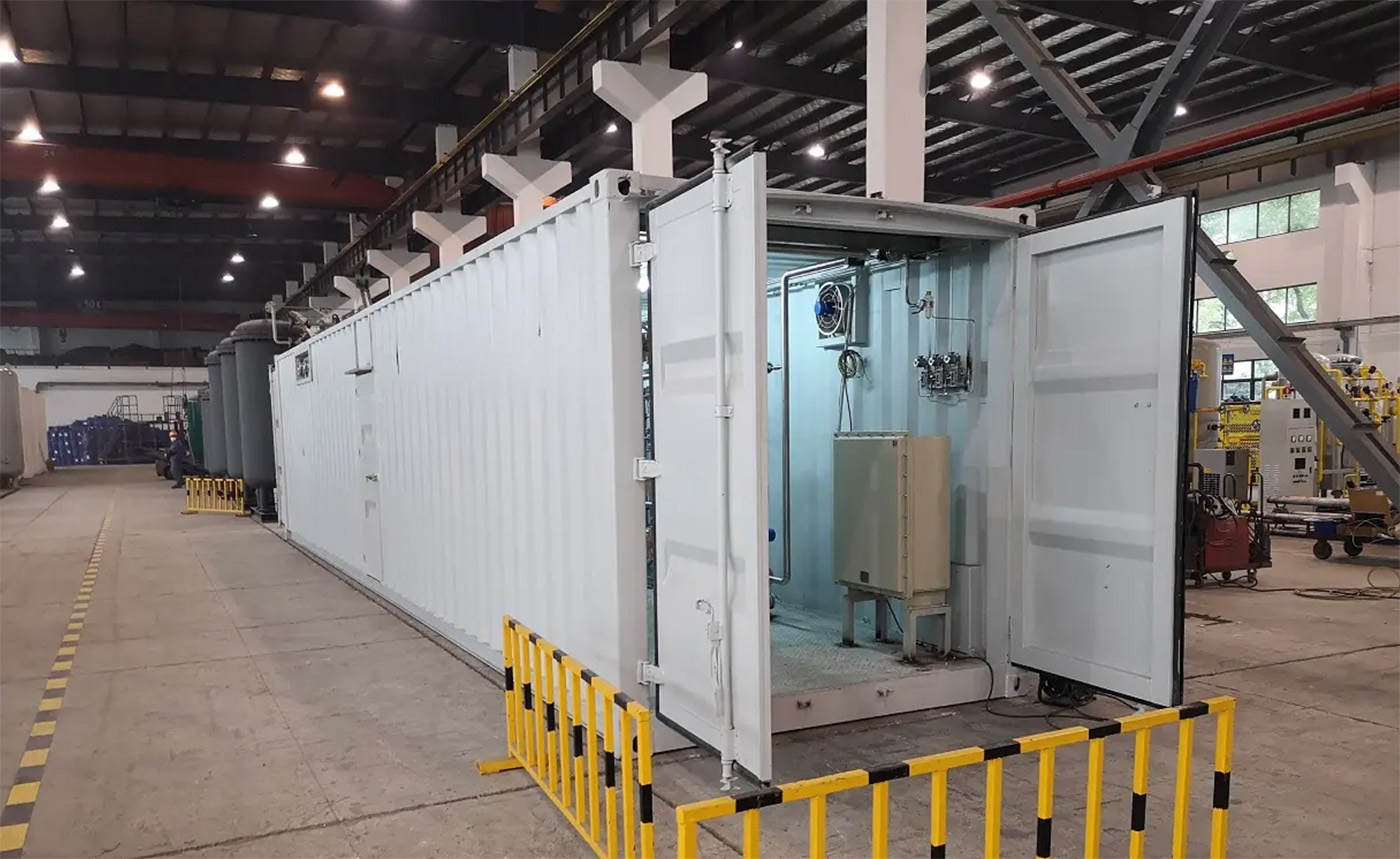
Membrane biogas technology is playing a pivotal role in the renewable energy sector by efficiently upgrading raw biogas into high-quality biomethane. As global energy demands rise and the shift toward sustainable energy accelerates, membrane biogas systems provide an effective, eco-friendly solution for converting organic waste into valuable energy resources. These systems are widely adopted across agriculture, industry, and municipal operations due to their efficiency, scalability, and environmental benefits.
Understanding Membrane Biogas Systems
Raw biogas is produced through anaerobic digestion of organic materials, such as agricultural waste, food residues, and sewage sludge. While it contains a significant proportion of methane (typically 50–70%), it also includes carbon dioxide, water vapor, and trace impurities. To maximize its energy potential and ensure compatibility with pipelines or engines, biogas must be purified.
Membrane biogas systems use advanced separation technology to remove carbon dioxide and other impurities while concentrating methane. The membranes act as selective barriers, allowing methane to pass through while filtering out unwanted gases. This process produces high-purity biomethane suitable for power generation, heating, or transportation fuel.
Advantages of Membrane Biogas Systems
1. High Methane Recovery Efficiency
Membrane biogas systems achieve high levels of methane concentration, producing energy-rich biomethane. This enhances the fuel’s calorific value, making it suitable for industrial applications and for injection into the natural gas grid.
2. Environmental Sustainability
By capturing and upgrading methane, membrane biogas systems prevent the release of potent greenhouse gases into the atmosphere. This contributes to climate change mitigation and supports environmentally responsible energy production.
3. Operational Simplicity and Low Maintenance
Membrane biogas systems are known for their modular design and straightforward operation. They require minimal maintenance compared to chemical scrubbing or other traditional upgrading methods, reducing operational costs and downtime.
4. Scalability and Flexibility
These systems are highly scalable and can be adapted to small farms, medium-sized industries, or large municipal projects. Modular configurations allow operators to expand capacity as energy demand grows, making membrane biogas solutions versatile and future-proof.
Applications Across Industries
Membrane biogas technology is applied in various sectors. In agriculture, farms use membrane biogas systems to convert animal manure and crop residues into renewable energy while producing nutrient-rich digestate for fertilizers. Industrial facilities utilize upgraded biogas for heating, electricity generation, or as a replacement for conventional fuels, reducing energy costs and carbon emissions.
Municipalities integrate these systems into waste management infrastructure, converting food waste and sewage sludge into clean energy, thereby promoting circular economy practices. The technology also enables the injection of biomethane into the natural gas grid, supporting the transition to renewable energy on a larger scale.
Future Prospects of Membrane Biogas
As the renewable energy sector evolves, membrane biogas systems are expected to become even more efficient and cost-effective. Ongoing innovations in membrane materials, process optimization, and energy recovery techniques will improve methane yields, reduce operational costs, and make biomethane an increasingly viable alternative to fossil fuels.
Conclusion
Membrane biogas technology is a cornerstone of modern renewable energy strategies, providing high-quality biomethane from organic waste. Its advantages include efficient methane recovery, environmental sustainability, low maintenance, and scalable solutions suitable for diverse applications. By investing in membrane biogas systems, industries, farms, and municipalities can enhance energy efficiency, reduce greenhouse gas emissions, and contribute to a sustainable energy future.
