

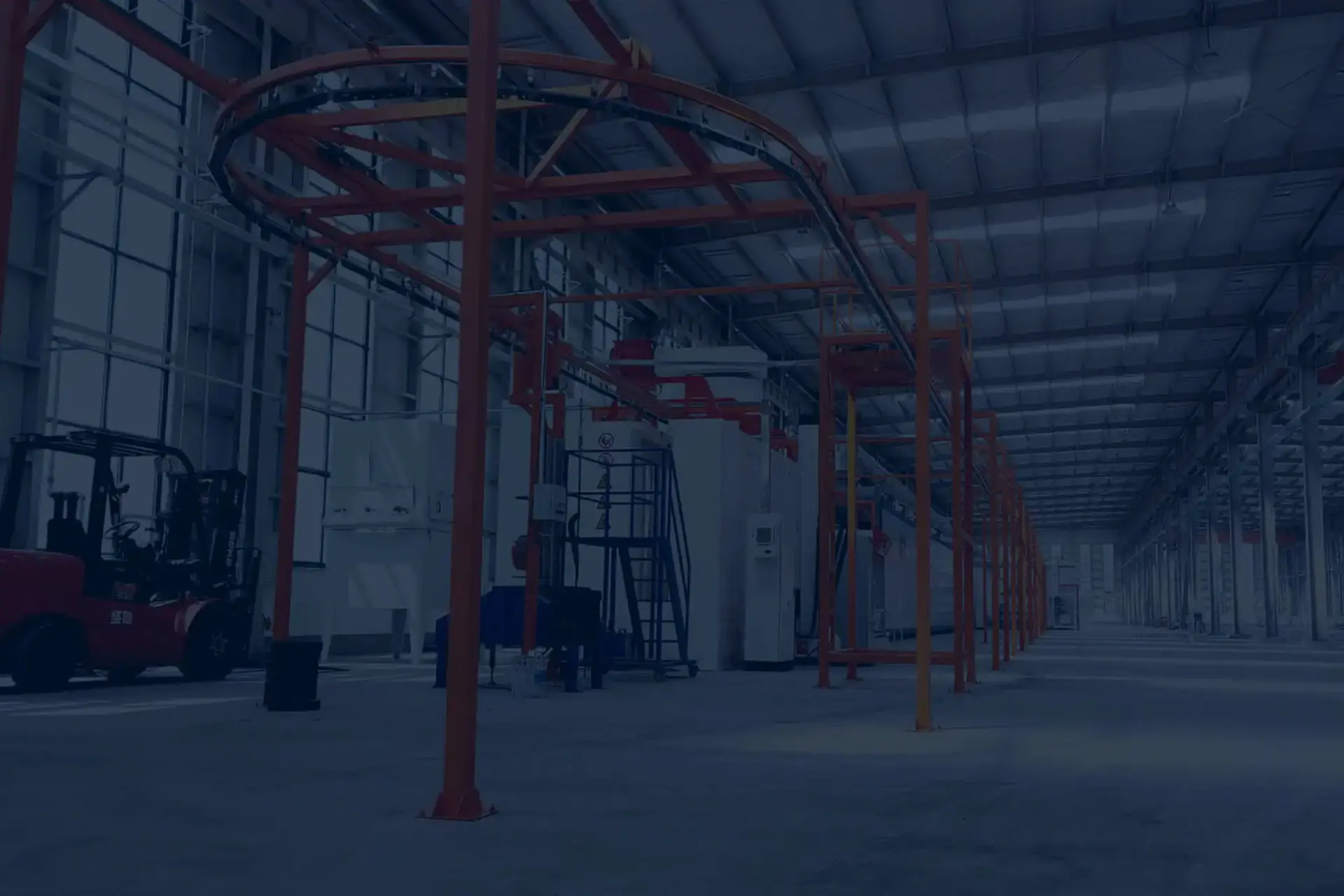
A Powder Coating Plant represents a vital investment for manufacturers aiming to achieve high-quality, durable, and environmentally friendly coatings on metal products. Powder coating technology has become a preferred choice across industries due to its superior corrosion resistance, aesthetic appeal, and operational efficiency. Partnering with a reliable Powder Coating Plant ensures consistent performance, optimal productivity, and adherence to modern industrial standards, making it an essential asset for businesses seeking to enhance their finishing processes.
Powder coating plants are designed to automate the application of dry powder on metal surfaces, replacing traditional liquid paint methods. Unlike conventional techniques, powder coating uses electrostatic charges to adhere finely ground powder to the substrate. This approach not only produces a uniform and durable finish but also minimizes waste and environmental impact. Modern powder coating plants integrate advanced equipment, from pre-treatment to curing and recovery systems, to deliver precision and reliability in every stage of production.
Components of a Powder Coating Plant
A high-performance powder coating plant consists of several integrated components, each playing a crucial role in ensuring superior coating quality, efficiency, and sustainability.
1. Pre-Treatment Units
The pre-treatment stage is critical to the success of any powder coating plant. Surface preparation involves cleaning, degreasing, and chemically treating metal substrates to remove contaminants and improve adhesion. Pre-treatment units may include chemical baths, spray washers, or phosphating systems. Proper surface preparation ensures that the coating adheres uniformly, enhancing corrosion resistance and extending product lifespan.
2. Powder Application Equipment
The core of a powder coating plant is the application system. Automated powder spray guns, electrostatic applicators, and robotic arms deliver precise coating to each product. The electrostatic process charges powder particles, enabling them to cling uniformly to metal surfaces, even in recessed areas. Advanced controllers allow operators to adjust parameters for different product types, ensuring consistency and minimizing overspray. These systems reduce material wastage and improve efficiency, making them ideal for high-volume production.
3. Conveyors and Material Handling Systems
Efficient conveyors are essential for transporting products through the pre-treatment, coating, and curing stages. Automated handling systems reduce labor costs, minimize damage, and maintain consistent exposure to each stage of the coating process. Customizable conveyors accommodate a variety of product sizes, weights, and shapes, ensuring smooth operation across different production requirements.
4. Curing Ovens
Curing ovens are crucial for fusing the applied powder into a hard, durable finish. Uniform heat distribution and precise temperature control ensure optimal adhesion, gloss, and wear resistance. Modern ovens are energy-efficient and capable of handling large volumes, reducing cycle time while maintaining high-quality finishes. Proper curing also contributes to environmental compliance by reducing emissions associated with incomplete coatings.
5. Recovery and Filtration Systems
Recovery systems capture overspray powder that does not adhere to the product, filtering and recycling it for reuse. This reduces material costs, minimizes waste, and supports environmentally sustainable practices. High-efficiency filtration units prevent contamination, ensuring consistent quality and operational safety.
Benefits of a Powder Coating Plant
Investing in a Powder Coating Plant offers numerous advantages for manufacturers, including improved quality, efficiency, and sustainability.
1. Superior Finish Quality
Powder coating provides uniform coverage and excellent adhesion on a variety of metals. Automated systems ensure consistent thickness and smooth surfaces, enhancing the durability and aesthetics of coated products. Coatings resist chipping, corrosion, and fading, extending the life of metal parts.
2. Increased Production Efficiency
Automation reduces manual labor and streamlines the coating process, allowing manufacturers to produce more in less time. Conveyors, robotic applicators, and curing ovens work in unison to maintain continuous production, improving overall throughput and reducing lead times.
3. Cost Savings
Efficient powder coating plants minimize material waste and energy consumption. Recovery systems and controlled application reduce the amount of powder used, lowering operational costs. The durability of powder-coated products also reduces maintenance and replacement expenses over time.
4. Environmental Compliance
Powder coatings are typically solvent-free and release minimal volatile organic compounds (VOCs), making them an environmentally responsible choice. Recovery and recycling systems further reduce waste, helping manufacturers comply with stringent environmental regulations and sustainability goals.
5. Versatility Across Industries
Powder coating plants can handle a wide range of products, including automotive parts, industrial machinery, appliances, and metal furniture. Their adaptability allows manufacturers to apply different colors, textures, and finishes according to product specifications, ensuring flexibility in meeting market demands.
Applications of Powder Coating Plants
Powder coating plants are used in various industries where high-quality, durable, and corrosion-resistant finishes are essential.
1. Automotive Industry
Automotive manufacturers rely on powder coating plants to finish body panels, wheels, chassis components, and accessories. The uniform application ensures both aesthetic appeal and corrosion resistance, critical for vehicle longevity and performance.
2. Industrial Equipment and Machinery
Powder coating provides protective finishes for heavy machinery, tools, and fabricated metal parts. Coatings enhance durability, reduce maintenance needs, and protect against harsh environmental conditions, improving operational efficiency and product lifespan.
3. Furniture and Appliances
Metal furniture, cabinets, and appliances benefit from powder-coated finishes that resist scratches, fading, and wear. Consistent application and vibrant finishes ensure that consumer products meet both functional and aesthetic standards.
4. Electronics and Consumer Goods
Electronics enclosures, metal components, and consumer products require precise and durable coatings. Powder coating plants deliver even coverage on intricate shapes, enhancing visual appeal and product longevity.
Choosing the Right Powder Coating Plant
Selecting a powder coating plant requires careful evaluation of production needs, operational goals, and budget. Key considerations include:
- Production Capacity: Ensure the system meets daily or weekly output requirements.
- Automation Level: Decide between manual, semi-automatic, or fully automated systems based on production scale.
- System Features: Consider robotic applicators, curing ovens, and recovery units for efficiency and quality.
- Supplier Reputation: Work with suppliers that provide reliable equipment, technical support, and after-sales service.
- Energy Efficiency: Choose systems that minimize energy consumption to reduce operational costs and environmental impact.
Conclusion
A Powder Coating Plant is an indispensable asset for manufacturers seeking high-quality finishes, operational efficiency, and sustainable processes. By integrating pre-treatment, automated powder application, curing ovens, and recovery systems, businesses can achieve consistent, durable, and aesthetically appealing coatings across a wide range of products. Partnering with a trusted Powder Coating Plant supplier ensures access to advanced technology, expert guidance, and comprehensive support, enabling manufacturers to optimize production, reduce waste, and meet modern industrial standards. Investing in a powder coating plant is a strategic decision that guarantees enhanced performance, long-term savings, and a competitive edge in today’s demanding manufacturing landscape.
