

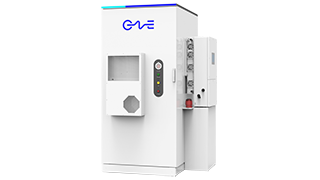
As the demand for reliable, flexible, and sustainable energy storage continues to grow, stack battery systems are emerging as a practical solution for residential, commercial, and industrial applications. These modular energy storage systems allow users to build battery capacity according to their needs, making them a smart choice for renewable energy integration, backup power, and energy management.
What Is a Stack Battery System?
A stack battery system is a modular battery energy storage solution made up of individual battery modules that can be stacked together vertically or horizontally. Each module operates as a self-contained unit, typically including battery cells, a battery management system (BMS), and safety protections. Users can expand the total energy capacity simply by adding more modules to the stack.
Most modern stack batteries use lithium-ion technology, particularly lithium iron phosphate (LFP), due to its safety, long life cycle, and stable performance.
How Stack Battery Systems Work
Stack battery systems store electrical energy from sources such as solar panels, wind turbines, or the utility grid. When energy production is high or electricity prices are low, the batteries charge and store power. During periods of high demand, outages, or reduced renewable generation, the system discharges stored energy to supply connected loads.
An integrated BMS monitors voltage, temperature, and current to ensure safe and efficient operation. Energy management software optimizes charging and discharging cycles, helping extend battery life and improve overall performance.
Key Features of Stack Battery Systems
Stack battery systems offer several features that make them highly attractive:
- Modular scalability: Capacity can be expanded by adding modules as energy needs grow.
- Space-saving design: Vertical stacking minimizes floor space requirements.
- Easy installation: Plug-and-play architecture reduces setup time and labor costs.
- High safety standards: Built-in protection against overcharging, overheating, and short circuits.
- Smart monitoring: Real-time data access and remote system control.
These features make stack batteries suitable for both new installations and system upgrades.
Applications of Stack Battery Systems
Stack battery systems are used across a wide range of applications:
- Residential Energy Storage
Homeowners use stack batteries to store solar energy for nighttime use, reduce electricity bills, and maintain power during grid outages. - Commercial and Industrial Facilities
Businesses use stack battery systems for peak shaving, demand response, and backup power, helping lower operational costs and improve energy reliability. - Off-Grid Power Systems
Stack batteries are ideal for off-grid homes, rural areas, and remote facilities where reliable electricity is required. - Renewable Energy Integration
By storing excess solar or wind energy, stack batteries help balance intermittent renewable generation. - Microgrids and Hybrid Systems
Stack batteries play a vital role in microgrids, supporting energy independence and grid resilience.
Advantages of Stack Battery Technology
Compared to traditional energy storage solutions, stack battery systems offer several advantages:
- Flexible expansion: Users can start small and scale up gradually.
- Long service life: Lithium-based stack batteries support thousands of charge cycles.
- High efficiency: Minimal energy loss during charge and discharge.
- Reduced maintenance: No frequent servicing required.
- Improved safety: Advanced thermal management and monitoring systems.
These benefits make stack batteries a cost-effective and future-ready investment.
Types of Batteries Used in Stack Systems
The most common battery chemistry used in stack battery systems is lithium iron phosphate (LFP). LFP batteries are known for excellent thermal stability, long lifespan, and enhanced safety compared to other lithium-ion chemistries.
Some manufacturers are also developing stack systems using sodium-ion or solid-state batteries, which may further improve sustainability and reduce reliance on scarce materials.
Challenges and Important Considerations
Despite their benefits, stack battery systems require careful planning:
- Upfront investment: Initial costs may be higher than traditional batteries.
- System compatibility: Must be compatible with inverters and energy management platforms.
- Environmental conditions: Proper ventilation and temperature control are essential.
- Professional installation: Ensures safety and optimal system performance.
Choosing high-quality components and reliable suppliers helps overcome these challenges.
Role of Stack Batteries in the Energy Transition
Stack battery systems play an important role in the global shift toward clean energy. By enabling efficient storage and flexible capacity expansion, they support greater adoption of renewable energy and reduce dependence on fossil fuels.
They also contribute to grid stability by managing peak demand and providing fast-response backup power. As decentralized energy systems become more common, stack batteries offer the adaptability required for modern energy infrastructure.
Future Trends in Stack Battery Systems
The future of stack battery technology is driven by innovation. Manufacturers are focusing on improving energy density, extending battery life, enhancing safety, and integrating smart software solutions. Artificial intelligence and cloud-based monitoring will allow predictive maintenance and optimized energy usage.
As battery costs continue to decline and renewable energy adoption increases, stack battery systems are expected to become even more widespread.
Conclusion
Stack battery systems offer a modular, efficient, and scalable approach to energy storage. Their flexibility, safety, and wide range of applications make them an ideal solution for modern power needs. As energy systems continue to evolve, stack batteries will play a key role in building reliable, sustainable, and resilient energy infrastructure.
