

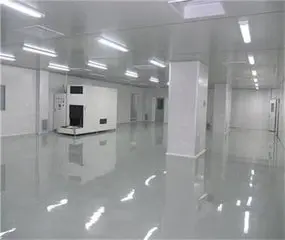
A Sterile laboratory is one of the most critical environments in modern science and medicine. These specialized spaces are designed to maintain strict microbial control, ensure accurate research results, and protect sensitive materials used in pharmaceuticals, biotechnology, diagnostics, and medical device production. Achieving true sterility requires advanced engineering, proper workflow planning, and carefully selected materials. Organizations that invest in a professionally built Sterile laboratory gain a reliable and compliant environment that supports safe and efficient operations.
A sterile laboratory must maintain extremely low levels of microorganisms to prevent contamination of samples, equipment, and finished products. This requires a controlled environment with proper zoning, restricted access, and predictable airflow patterns. Air cleanliness is one of the most important components, achieved through HEPA filtration, laminar flow systems, and pressure differentials. Clean air must flow into the lab while contaminated air flows out, ensuring the integrity of the internal environment. This directional flow helps maintain sterility even during high activity inside the laboratory.
Proper material selection is another fundamental part of sterile lab construction. Walls, ceilings, and floors must be smooth, non-porous, and resistant to microbial growth. Surfaces that can be easily disinfected without degrading are essential for long-term functionality. Flooring often consists of seamless epoxy or PVC materials that prevent dust accumulation and can withstand strong chemical cleaners. This meticulous interior design supports a sterile laboratory’s strict hygiene requirements.
Workflows inside sterile laboratories must follow unidirectional principles. This prevents cross-contamination between clean and less-clean zones. Personnel movement, sample handling, and equipment placement must be carefully planned. Because human activity is a major source of contamination, gowning rooms, air showers, and sterilization points are installed to reduce microbial load. The goal is to create a continuous cycle where sterile conditions are maintained at all times.
Sterile laboratory engineering also requires advanced environmental controls. Temperature, humidity, and pressure are monitored continuously to prevent conditions that may promote microbial growth. Automated HVAC systems, cleanroom monitoring instruments, and smart sensors ensure real-time visibility over the internal environment. These technologies allow quick responses to any deviations that could compromise sterility.
Equipment selection inside a sterile laboratory also contributes to contamination control. Workstations, biosafety cabinets, sterilizers, incubators, and storage systems must be constructed from materials that resist bacteria, fungi, and chemical corrosion. Stainless steel is commonly used due to its durability and ease of cleaning. In addition, instruments must be arranged strategically to support efficient workflows without creating unnecessary traffic.
Waste management is another crucial element. Sterile laboratories generate biological waste, chemical waste, and contaminated materials. Safety protocols ensure that waste is properly segregated, sealed, and removed without exposing clean areas. This is supported by sealed waste chutes, airlocks, and controlled disposal points. A well-designed sterile laboratory integrates waste systems seamlessly into the overall layout to protect both personnel and the environment.
Personnel safety is an essential priority alongside sterility. Workers must be protected from exposure to biological agents, chemicals, and other hazardous materials. Personal protective equipment, sterilization stations, eye wash units, emergency showers, and fire suppression systems are integrated into the facility. A sterile laboratory must meet international regulations such as GMP, ISO, or biosafety standards, depending on its operation. Meeting these standards ensures safety, compliance, and quality in every research or production activity.
A modern sterile laboratory is also built for efficiency. With automation becoming increasingly important in scientific work, laboratories now incorporate robotics, automated sample handling, data integration systems, and environmental monitoring software. These tools reduce human intervention, minimizing contamination risk while increasing accuracy and throughput. A well-designed sterile laboratory accommodates these technologies with proper connectivity, space planning, and workflow engineering.
Maintenance and long-term durability are equally important. Because sterile labs undergo frequent disinfection and environmental monitoring, the materials, systems, and structures must withstand constant use. High-quality construction and engineering minimize the risk of cracks, leaks, or surface degradation that could lead to contamination. Regular inspections, filter replacements, and calibration procedures help maintain optimal sterility and performance.
Ultimately, a sterile laboratory is a cornerstone of scientific integrity. It ensures that experiments, manufacturing, and research can be conducted under controlled and safe conditions. By integrating advanced airflow systems, hygienic materials, strict zoning, and modern technologies, a sterile laboratory becomes a reliable environment for innovation, discovery, and precision.
