

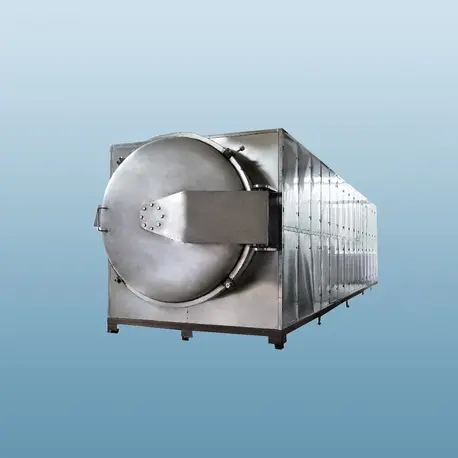
In modern industrial and agricultural processes, efficient drying of materials is essential for preserving quality, reducing post-harvest losses, and increasing overall productivity. Among the various drying technologies available, a tunnel dryer stands out as a highly effective and versatile solution. Designed to handle large volumes of materials continuously, tunnel dryers are widely used in food processing, pharmaceuticals, chemicals, and other manufacturing industries where uniform and controlled drying is critical.
A tunnel dryer operates on the principle of continuous airflow over the material, combined with controlled temperature and humidity settings. Unlike batch dryers, which require loading and unloading cycles, tunnel dryers allow materials to move steadily through a long, enclosed chamber while hot air circulates around them. This ensures consistent moisture removal, reduced drying times, and minimal quality degradation.
How a Tunnel Dryer Works
The working principle of a tunnel dryer is relatively straightforward yet highly efficient. The dryer consists of a long tunnel chamber, typically equipped with conveyor belts or trays that transport the material through the drying zone. Heated air, which can be generated by gas, electricity, or steam, is directed through the tunnel, coming into contact with the material from above, below, or both. This airflow removes moisture continuously as the material progresses through the chamber.
Temperature, airflow velocity, and humidity can be adjusted to suit the specific material being dried. This flexibility allows tunnel dryers to handle a wide variety of products, including grains, vegetables, fruits, snacks, herbs, pharmaceuticals, and even chemicals. Advanced models integrate sensors and automation systems to monitor moisture levels and maintain optimal drying conditions throughout the process.
Advantages of Using a Tunnel Dryer
1. Continuous Drying Process
One of the main benefits of a tunnel dryer is its ability to operate continuously. Unlike batch dryers, which require frequent loading and unloading, tunnel dryers allow for uninterrupted production. This makes them ideal for large-scale operations where high throughput is essential. Continuous drying also reduces labor requirements and improves overall efficiency.
2. Uniform Drying
Tunnel dryers are designed to provide consistent airflow and temperature across the entire drying chamber. This ensures that all parts of the material receive uniform heat exposure, preventing over-drying or under-drying. Uniform drying is particularly important for delicate or heat-sensitive products, as it helps maintain texture, color, flavor, and nutritional value.
3. Energy Efficiency
Modern tunnel dryers are engineered to maximize energy efficiency. The enclosed design minimizes heat loss, while adjustable airflow and temperature controls optimize energy usage. Some tunnel dryers also utilize heat recovery systems or hybrid energy sources to further reduce operating costs. By providing fast, controlled drying, tunnel dryers consume less energy compared to traditional open-air or batch drying methods.
4. High Capacity and Scalability
Tunnel dryers can handle large volumes of material, making them suitable for commercial and industrial applications. They can be scaled to meet the production needs of small, medium, or large facilities. The conveyor-based design allows for easy expansion, and multiple tunnels can operate in parallel to increase throughput without compromising quality.
5. Reduced Product Damage
Products dried in a tunnel dryer are exposed to controlled conditions, which reduces the risk of cracking, discoloration, or loss of active compounds. For example, food products such as fruits, vegetables, and grains retain their original flavor, color, and nutrients. Pharmaceutical products maintain their potency, while chemical compounds remain stable and effective. The gentle yet efficient drying process preserves the integrity of sensitive materials.
6. Hygienic Operation
Tunnel dryers are enclosed systems that minimize exposure to dust, contaminants, and microorganisms. This is particularly important in food and pharmaceutical industries, where hygiene standards are strict. The controlled environment also reduces the need for chemical preservatives, as rapid and consistent drying inhibits microbial growth naturally.
Applications of Tunnel Dryers
Food Industry
Tunnel dryers are widely used in the food industry for drying products such as:
- Fruits and vegetables
- Herbs and spices
- Snack foods like chips and cereals
- Grains and legumes
- Bakery ingredients and pasta
The ability to maintain uniform moisture levels ensures that products are safe for consumption, have longer shelf life, and retain their sensory and nutritional qualities.
Pharmaceutical Industry
In pharmaceuticals, precision drying is critical to maintain the efficacy and stability of active ingredients. Tunnel dryers are used for drying tablets, powders, herbal extracts, and other pharmaceutical products. Controlled temperature and airflow ensure that moisture is removed without compromising potency or structural integrity.
Chemical Industry
Tunnel dryers are also valuable in the chemical industry for drying heat-sensitive compounds, catalysts, and fine chemicals. The precise control over temperature and drying time ensures that chemical properties are maintained, and product quality remains consistent.
Agriculture and Grain Drying
Grains, including corn, rice, wheat, and soybeans, are prone to spoilage if moisture content is not reduced promptly after harvest. Tunnel dryers provide a fast, energy-efficient solution for large-scale grain drying, protecting against mold, fermentation, and insect damage.
Key Features to Consider When Choosing a Tunnel Dryer
Selecting the right tunnel dryer requires careful consideration of several factors:
- Material Type: The sensitivity, moisture content, and particle size of the material will influence drying parameters and dryer design.
- Capacity Requirements: Determine the volume of material to be processed per day or season to choose a suitable dryer size.
- Energy Source: Tunnel dryers can operate on electricity, natural gas, steam, or hybrid energy systems. Energy-efficient models reduce operational costs.
- Temperature and Airflow Control: Adjustable settings allow precise control over drying conditions to suit different materials.
- Automation and Monitoring: Advanced systems with sensors, real-time monitoring, and automated adjustments ensure consistent drying and prevent quality loss.
- Maintenance and Durability: Choose a dryer made from durable materials that are easy to clean and maintain, especially for food or pharmaceutical applications.
Future Trends in Tunnel Drying Technology
As industries strive for higher efficiency, better product quality, and reduced energy consumption, tunnel dryers continue to evolve. Future trends include:
- Integration with microwave or vacuum technologies to accelerate drying while maintaining low temperatures.
- Smart automation and IoT-enabled monitoring for precise control over drying parameters.
- Improved heat recovery and energy optimization to reduce operational costs.
- Modular and scalable designs for flexible industrial applications.
These innovations make tunnel dryers an indispensable tool for industries seeking reliable, high-quality, and efficient drying solutions.
Conclusion
A tunnel dryer is a modern, highly efficient drying solution that meets the needs of various industries, including food processing, pharmaceuticals, chemicals, and agriculture. By providing continuous, uniform, and controlled drying, tunnel dryers preserve product quality, extend storage life, and increase overall productivity. Their energy efficiency, scalability, and hygienic operation make them an essential investment for businesses aiming to maintain high standards and optimize production processes. With ongoing technological advancements, tunnel dryers will continue to play a crucial role in the future of industrial drying, helping industries achieve efficiency, quality, and sustainability.
